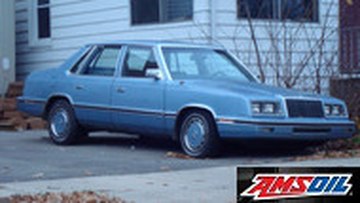
Engine Maintenance for the 1983 Chrysler E Class 2.2L
Maintaining an older vehicle requires consistent attention to fluid levels and component health to ensure long-term operation. For the 1983 Chrysler E Class equipped with the 2.2L engine, focusing on cooling system integrity and proper lubrication practices is essential for managing engine temperature and reducing internal friction.
What coolant or antifreeze products are listed for my 1983 Chrysler E CLASS 2.2L?
The following products are listed for this vehicle: ANTPC1G-EA Passenger Car & Light Truck Antifreeze & Coolant and ANT1G-EA Low Toxicity Antifreeze and Engine Coolant.
Engine Oil Lubrication Fundamentals
The engine oil serves as the primary defense against heat, friction, and contaminants within the 2.2L engine. Regular monitoring of the oil level is a fundamental maintenance task. Owners should check the oil level using the dipstick while the vehicle is parked on a level surface to ensure an accurate reading. If the oil appears excessively dark, gritty, or milky, it may indicate that the fluid has reached the end of its effective service life or has been contaminated by other fluids.
Maintaining proper lubrication helps prevent premature wear on moving parts such as camshafts, bearings, and piston rings. Because older engines can experience changes in internal clearances over time, staying vigilant about oil quality is a key part of routine ownership.
Cooling System Management
The cooling system is responsible for transferring heat away from the engine block to prevent overheating. Using the listed antifreeze and coolant products helps maintain the correct boiling point and prevents corrosion within the radiator and engine passages. A properly functioning cooling system includes the radiator, water pump, thermostat, and various hoses.
It is important to inspect cooling hoses for signs of cracking, swelling, or soft spots. Leaks in the cooling system can lead to rapid loss of coolant, which may cause sudden temperature spikes. If you notice a sweet smell or visible puddles under the vehicle, investigate the cooling system immediately.
Monitoring Fluid Integrity
Beyond engine oil and coolant, various other fluids play critical roles in vehicle operation. While specific requirements for transmission or brake fluids are not detailed here, all fluid systems should be inspected regularly for leaks. A leak in a hydraulic line or a seal can lead to a loss of pressure, affecting steering, braking, or gear changes.
When inspecting fluids, look for color changes that indicate contamination. For example, oil that looks like a light brown milkshake may suggest coolant is entering the lubrication system, while oil that appears very thin might suggest fuel dilution. Identifying these issues early can prevent more significant mechanical failures.
Routine Inspection Procedures
A proactive maintenance approach involves regular visual inspections of the engine bay. This does not require specialized tools but does require attention to detail. Check for:
- Loose or frayed belts that drive engine accessories.
- Accumulations of dirt or debris near the radiator or air intake, which can restrict airflow.
- Signs of weeping or moisture around gaskets and seals.
- The condition of electrical connections and wiring harnesses.
By performing these checks during every oil change or fuel fill-up, you can identify minor issues before they escalate into major repairs.
Managing Engine Temperature
Temperature management is vital for the longevity of any internal combustion engine. If the temperature gauge on the dashboard begins to climb higher than normal, it is important to address the cause immediately. Overheating can lead to warped cylinder heads or damaged gaskets.
Always allow a hot engine to cool completely before attempting to open the radiator cap or check coolant levels. Opening a pressurized cooling system while hot can result in severe burns from escaping steam and liquid.
How often should I change the oil in my 1983 Chrysler E CLASS 2.2L?
To determine the correct oil change frequency for your vehicle, you must follow the owner's manual or the manufacturer maintenance schedule.
BUYING ENGINE OIL
When it is time to replenish your lubrication, select a product that meets the requirements for your specific engine type. For this 1983 Chrysler E Class 2.2L, the database allows for 10W-30 oil. Always check your owner's manual or manufacturer maintenance schedule to confirm the correct specifications and service intervals for your vehicle. When shopping, ensure you are selecting a high-quality lubricant that provides the necessary protection for older engine designs.